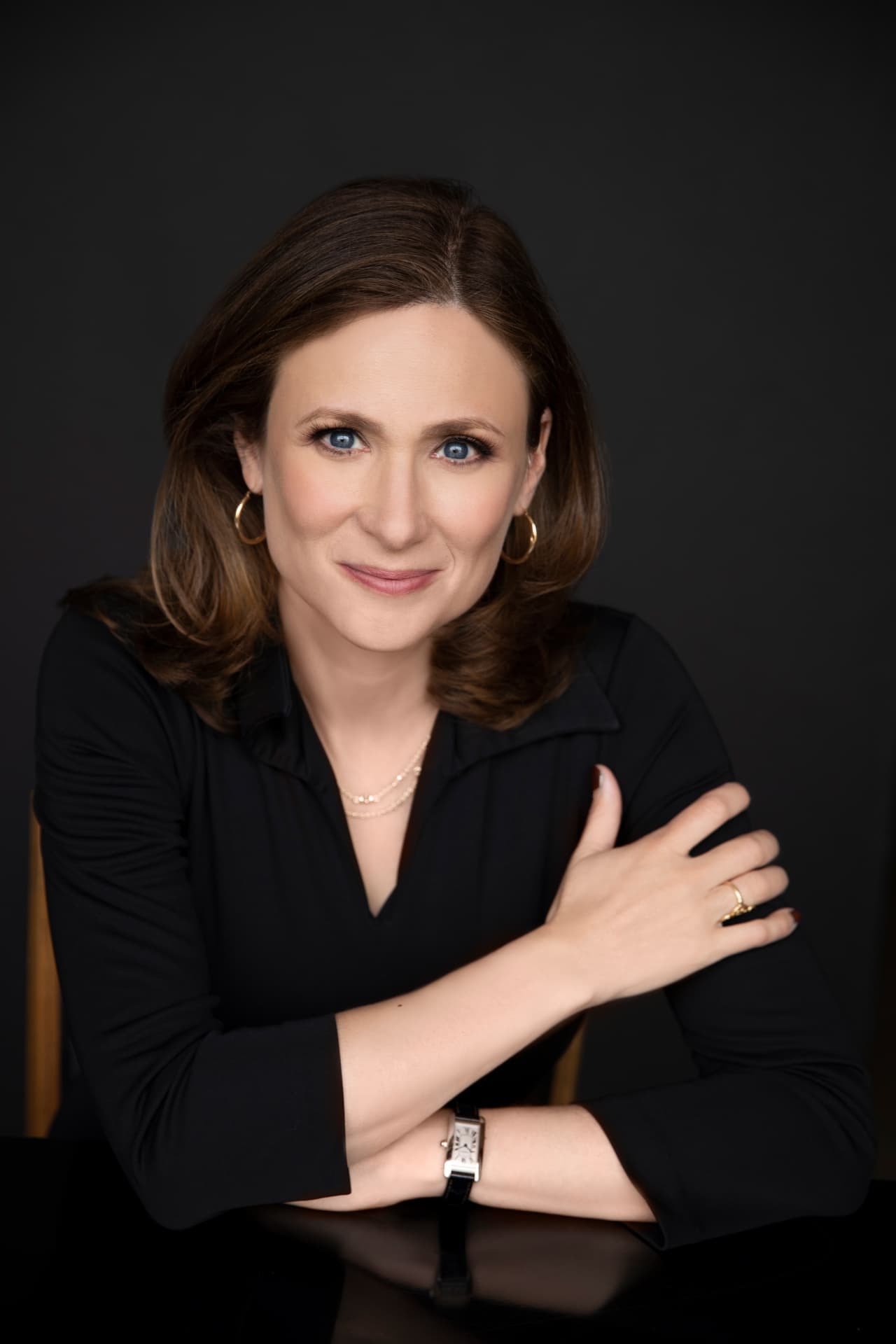
An author challenging how institutions approach childhood.
Why this speaker matters
A useful starting point for an institutional argument: separate the problem being described from the evidence for its proposed cause.
Topics to listen for
Relevant context
Her argument is about how institutions shape childhood
Shrier’s work questions the authority given to schools and therapeutic institutions in decisions about children. The central issue is not whether young people can need help, but which interventions improve outcomes and which may create unintended dependence.
Relevant context
A published thesis is not clinical consensus
Bad Therapy makes a causal argument about well-intentioned treatment and resilience. Listen for the evidence offered, the population it applies to and what would distinguish harm from correlation or selection effects.
Questions worth asking
Which part of the argument is documented, and which part is an interpretation?
What would a better outcome look like, and how could we tell whether a proposed change caused it?
Who they are
Abigail Shrier is a journalist, a Free Press columnist and a senior fellow at the Manhattan Institute. She wrote Irreversible Damage in 2020 and Bad Therapy in 2024. Her work addresses gender, parenting, youth mental health and the influence of schools and therapeutic institutions. These are authored arguments, not a summary of clinical consensus.
What they are working on
The argument behind Bad Therapy.
Bad Therapy argues that some well-intentioned therapeutic approaches can undermine children’s resilience and independence. Presenting that thesis accurately means identifying it as Shrier’s case, rather than converting it into an established medical finding. Her work sits in a wider debate about the authority of parents, educators and mental-health professionals.